Introduction
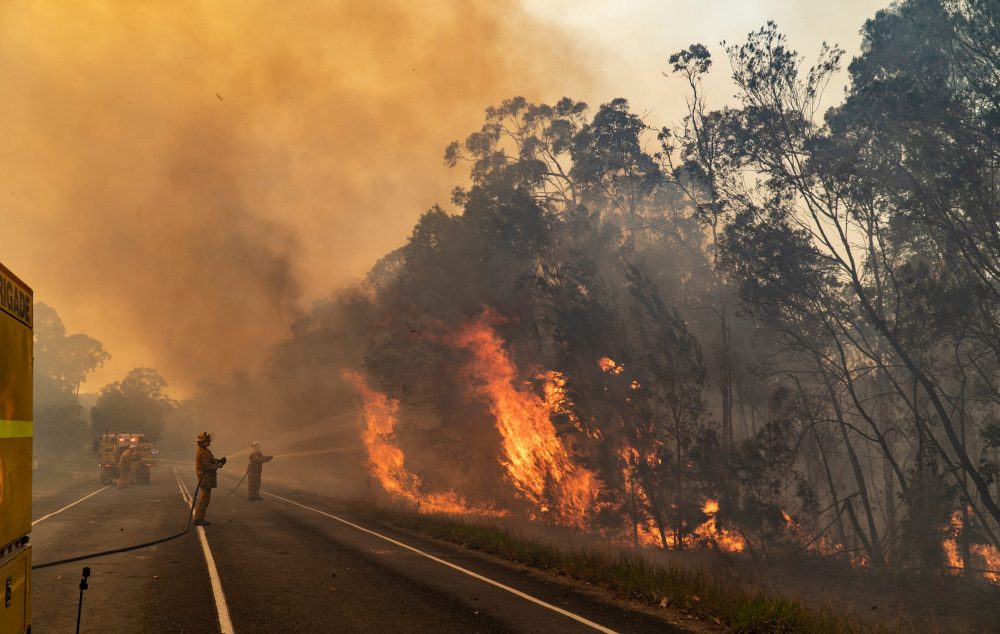
During 2019-2020, Australia experienced one of the most destructive bushfire seasons in its modern history, burning through an estimated 18.6 million hectares, destroying thousands of homes, and killing 33 people. Known as the “Black Summer” fires, they had a profound effect on native plant populations and biodiversity, and raised questions about how human decisions (land management, resource allocation, and disaster responses) shape fire behavior and affect different communities and ecosystems.
To investigate these dynamics, this project uses NASA MODIS and VIIRS satellite fire detection data (sourced via Kaggle) as our primary dataset to track fire activity and severity across Australia during August 2019 – January 2020. We supplement this with existing research and government press releases to examine disaster response, Indigenous and government fire management strategies, and the demographics and socioeconomic groups most affected. Using these sources, we aim to answer the following questions:
What role do human decisions play in fire behavior and outcomes? Does the data show a pattern of prioritizing human infrastructure over nature and certain communities over others?
Why were some Indigenous lands affected differently by these fires, and what fire management practices did they use?
Timeline of the Black Summer Bushfires
Literature Review
As documented by the researchers Filkov (2020), Gallagher (2021), and Udy (2024) the frequency and intensity of Australian wildfires in terms of area and temperature has increased over the past decades. While the 2019 Black Summer fires were unprecedented in scale, government land management policies which prohibited the practice of controlled burning likely contributed to the growing trend of “megafires” (Laming 2022). Coupled with severe droughts and heatwaves brought on by climate change, human agency and culpability proves itself to be a relevant factor in the behavior of wildfires (Squire 2021).
Consensus on the need for change is therefore common across literature surrounding the 2019 Black Summer. Following the fires, the Australian government implemented a variety of policies to bolster the nation’s fire safety and resilience including establishing the Australian Warning System, restructuring emergency response coordination agencies, increasing disaster fund allocation, and establishing supply chain resilient stockpiles (Australian Government, Department of Home Affairs 2023). The sufficiency of these policies to address the increasing threat posed by “megafires” is contested however. Researchers recognizing the ecological damage of the fires criticize the lack of consideration of the health of native plant species and ecosystems by these policies. The ongoing harvesting practices of federal lumber forest for instance considerably expand the area affected by wildfires (Lindenmayer 2020).
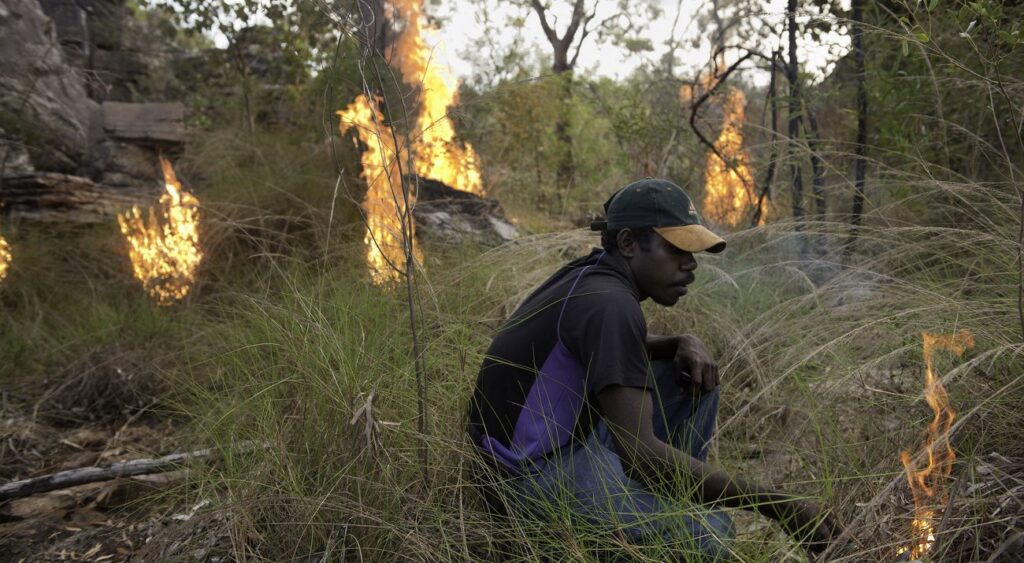
Beyond the behavior of the fires themselves, our data is much more closely related to government wildfire response. The distribution and choices related to satellite scans is stated to directly affect government decision making regarding labor allocation (Worboys 2015). Existing trends in wildfire response labor show a reliance on volunteer firefighters, especially in rural regions (Smith 2026). Considering a documented lack of volunteer or indigenous voices involved in wildfire response decision making (Smith 2022), resources like satellite scan priority could explain why demographic data like cultural background and economic condition have a statistical effect on an individual’s exposure and harm from wildfires (Akter 2021).